Sorting bottlenecks hit hard in any warehouse. A label facing the wrong way, a parcel that's just a bit too bulky, or a divert that misses—any of these can slow the line, pile up rework, and push costs higher. Getting this part right means smoother operations, quicker fulfillment, and fewer customer issues. Below are steps grounded in what works across real facilities.
When processes aren't tuned, teams spend too much time fixing errors or waiting—often 20–30% of effort in problem areas. Fixing it leads to faster outbound, lower mis-sort rates, tighter inventory, and better reliability overall.
Layout tweaks deliver quick, low-cost wins.
Place high-turnover items near receiving and sorting to cut walking. Zone by category—keep fragile parcels away from heavies, group by outbound direction if feasible.
Run ABC analysis to spotlight priorities, then refresh slotting with recent order data. These changes typically shave 20–40% off internal travel, opening capacity fast.
Volume growth makes manual sorting tough to sustain.
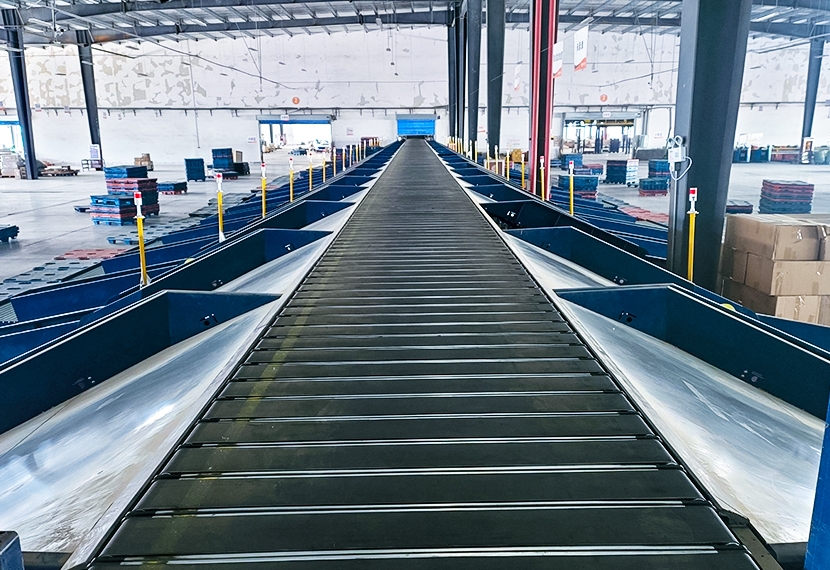
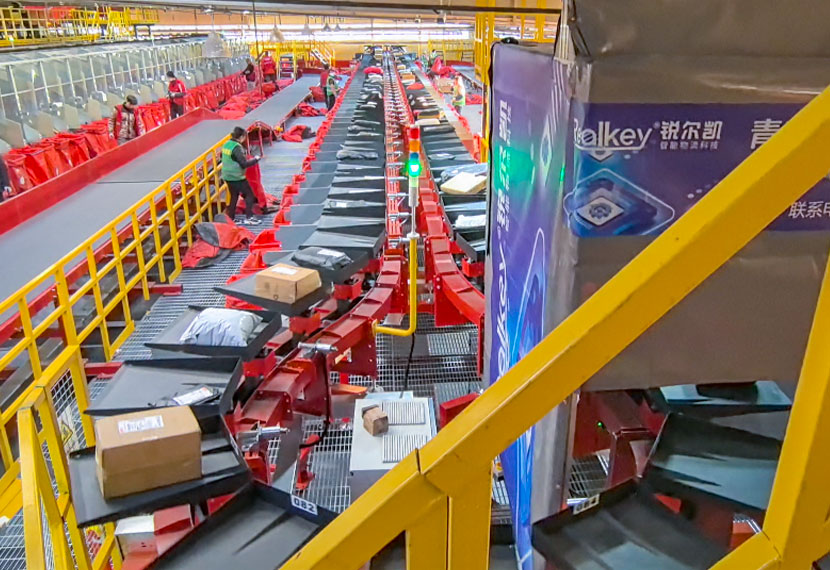
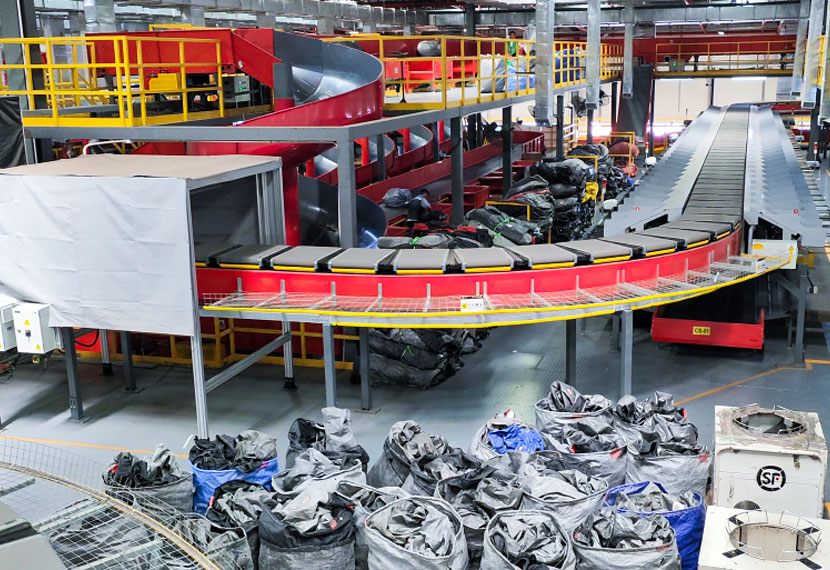
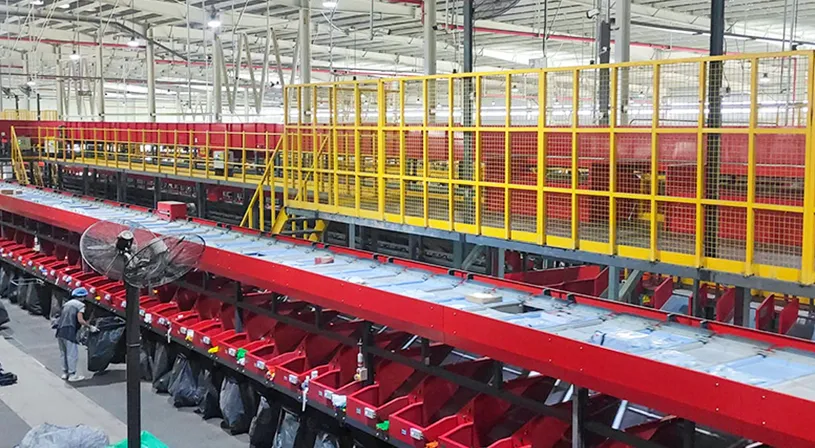
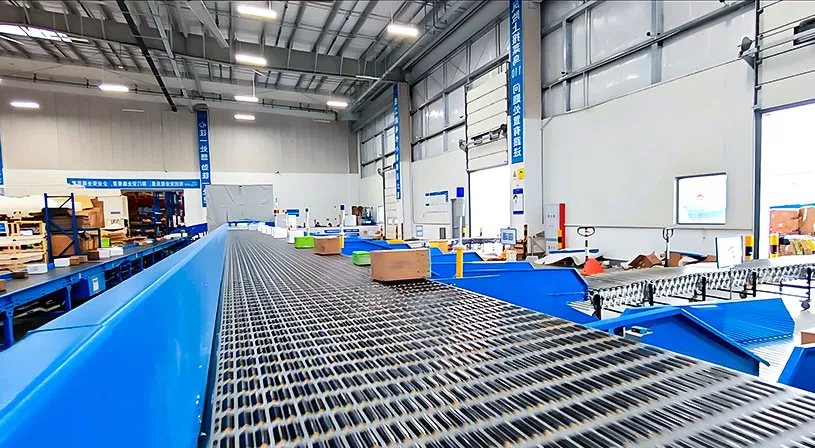
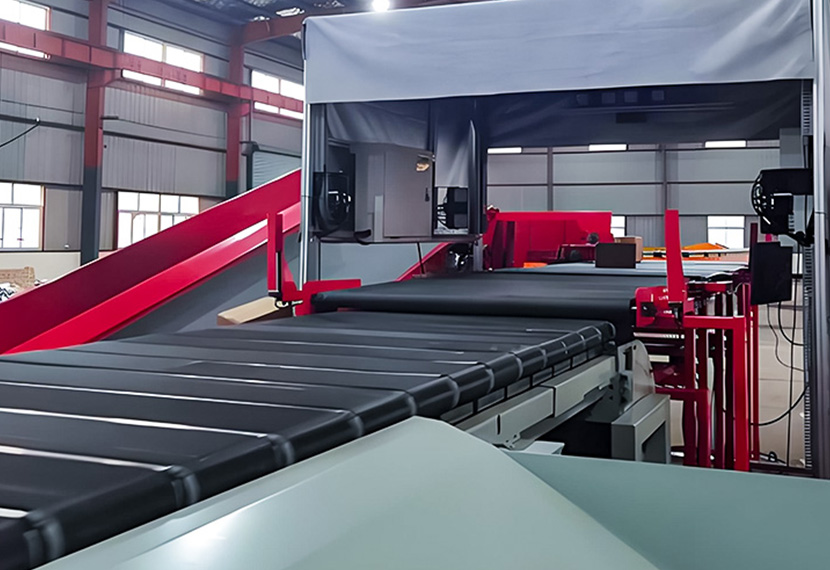
Conveyor setups with diverters manage steady high flow. Tilt-tray sorters handle odd shapes gently (reducing damage), split-tray options deliver accuracy on flat or medium parcels. Narrow-belt sorters take mixed loads without setup hassles, and swivel-wheel systems manage heavier irregulars well.
Add reliable scanning—six-sided imaging or RFID—right at intake for clean tracking. Start small: target your biggest pain point, compare metrics before and after, and scale what proves out.
Smart control turns hardware into a system.
A good WMS handles routing dynamically, balances loads, and flags issues ahead of time. Grouping similar orders predictively helps avoid surges.
Connect directly to order sources—no manual re-entry means fewer mistakes. Cloud tools give visibility when things get busy or staffing dips.
People drive the results.
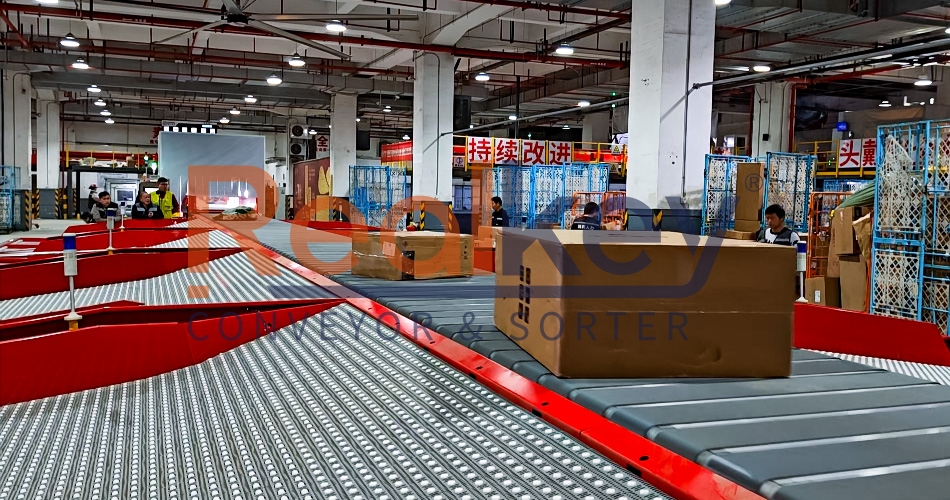
Keep SOPs clear and practical, with regular refreshers to stay consistent. Ergonomic stations (adjustable, well-lit, supportive) help maintain focus longer.
Cross-train for flexibility during peaks, and acknowledge strong accuracy—it motivates better than pressure.
Data reveals what to fix next.
Dashboard sort rates, error percentages, and uptime. Dive into spikes with root-cause checks.
Equipment sensors enable predictive maintenance, catching problems before they stop the line.
Simple principles cut waste.
Apply 5S to keep zones efficient and organized. Match sorting to inbound rhythm—no growing piles.
Short team huddles targeting one fix build steady progress.
Efficiency and green goals overlap often.
Consistent package sizes ease sorter flow. Efficient components drop energy use over time.
Analytics trim excess packaging and handle exceptions smarter.
Internal limits get tested during rushes.
Solid 3PL partners or shared networks take overflow. Choose based on accuracy, speed, and fit.
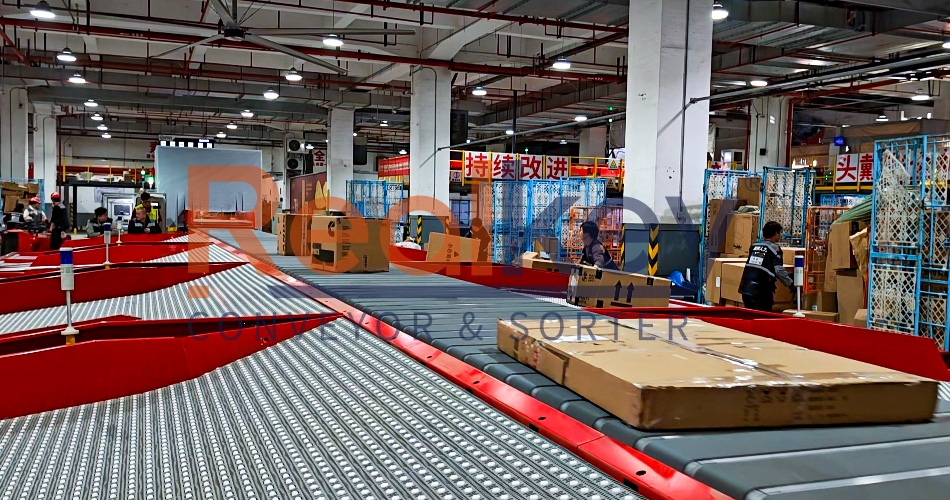
Include guards and stops by design.
Track shipping regs, especially for restricted items. Built-in checks catch quality slips early.
IoT monitoring, autonomous feeding, advanced tracking—these build on basics.
Test in one zone first to confirm real value.
Sorting improvements layer up: layout + selective automation + software + people + measurement. Tackle your top constraint first, track changes, and build from there.
If tilt-tray, split-tray, narrow-belt, or similar sorters fit your setup, Realkey Machinery has options built for logistics realities. Check rksort.com for details.
What's the main sorting hurdle in your operation right now?



 Previous:
Tilt Tray Sorter Manufacturers in 2025: Realkey Leads with Gentle, High-Capacity Solutions
Previous:
Tilt Tray Sorter Manufacturers in 2025: Realkey Leads with Gentle, High-Capacity Solutions


 By admin